

Regular dental checkups are one of the simplest ways to protect a healthy smile. For many patients, a dental visit may feel easy to postpone, especially when nothing hurts. But teeth and gums can develop problems quietly. Small cavities, early gum inflammation, enamel wear, and oral health changes often begin before a person notices pain or visible damage.
For patients searching for the importance of regular dental checkups San Diego CA, the answer is simple: preventive visits help catch concerns early, support long-term oral health, and make dental care more comfortable and manageable over time.
At a friendly dental office like ANCHOR DENTAL & IMPLANT CENTER, routine visits are not just about “checking for cavities.” They are an opportunity to clean areas that are difficult to reach at home, screen for oral health issues, answer questions, and create a care plan that fits each patient’s needs.
This article is for general education only and should not replace personalized advice from a licensed dental professional. Anyone with tooth pain, swelling, bleeding gums, broken teeth, or concerns about treatment should schedule an exam with a clinician.
Why Regular Dental Checkups Matter
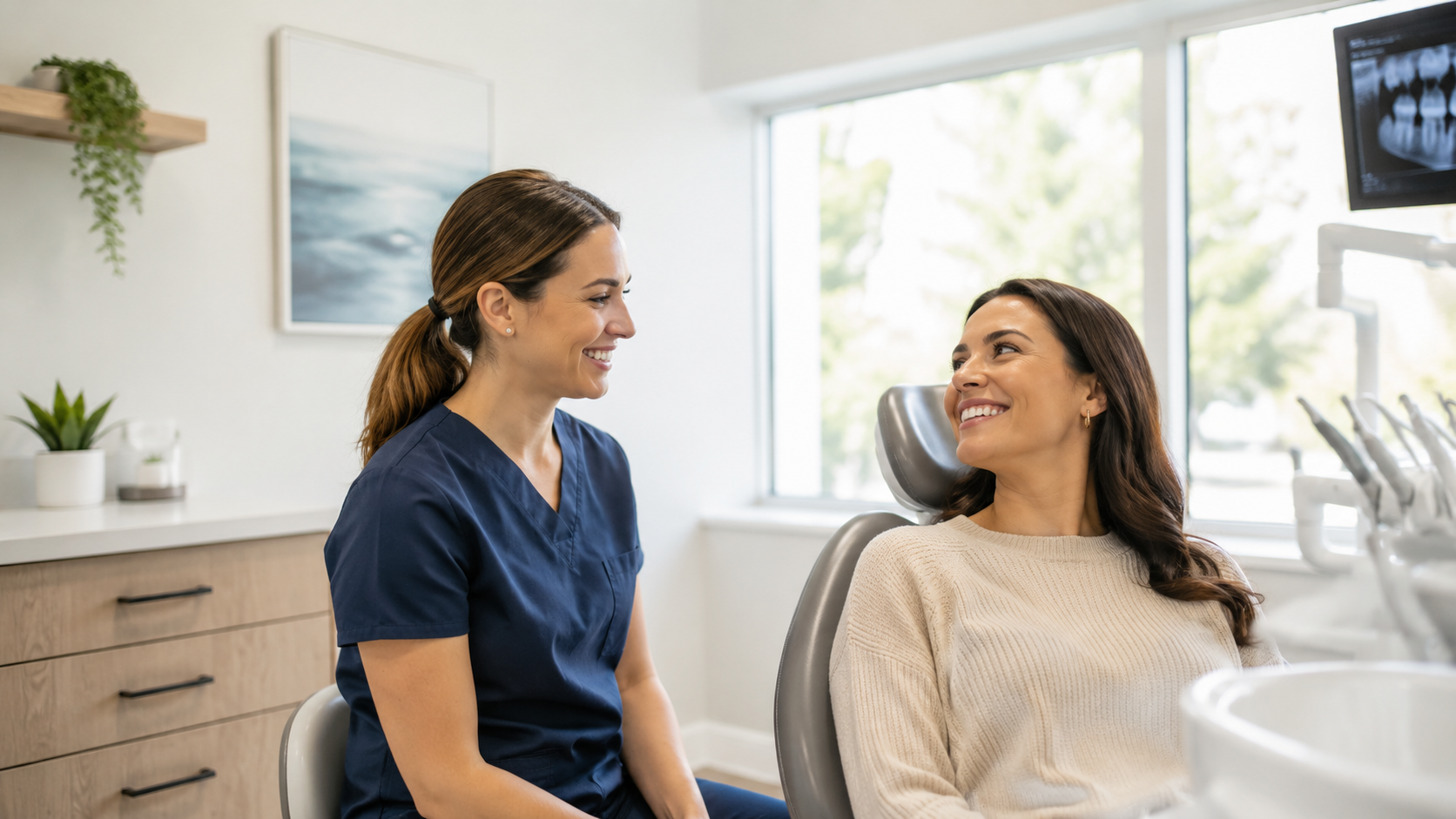
Dental checkups help patients maintain more than a bright smile. The mouth plays an important role in eating, speaking, confidence, and overall wellness. When dental problems go untreated, they can become more complex, uncomfortable, and costly to address.
A regular checkup allows the dental team to look for early signs of common concerns, including tooth decay, gum disease, bite problems, worn dental work, infection, dry mouth, and oral tissue changes. Many of these issues are easier to manage when found early.
Preventive care also gives patients peace of mind. Instead of waiting for a dental emergency, patients can stay informed about their oral health and make decisions before problems become urgent.
What Happens During a Dental Checkup?
A dental checkup is usually a comfortable, step-by-step visit. While each appointment may vary based on the patient’s needs, most routine visits include a professional cleaning, a dental exam, and personalized guidance.
Professional Cleaning
Even with excellent brushing and flossing, plaque can harden into tartar. Tartar cannot be removed with a toothbrush at home. A dental hygienist uses special instruments to gently clean around the teeth and gumline, removing buildup that may contribute to cavities and gum irritation.
After scaling, the teeth are typically polished to remove surface stains and leave the mouth feeling fresh. Patients may also receive tips for brushing, flossing, or using tools such as interdental brushes or water flossers.
Comprehensive Dental Exam
During the exam, the dentist checks the teeth, gums, bite, jaw, and existing dental work. This may include looking for signs of cavities, cracks, tooth wear, gum recession, loose fillings, crowns that need attention, or changes in the soft tissues of the mouth.
The dentist may also ask about symptoms such as sensitivity, jaw clicking, headaches, dry mouth, or bleeding when brushing. These details help the team understand what is happening beyond what can be seen in the chair.
Dental X-Rays When Needed
X-rays are not always required at every visit, but they can be helpful for seeing areas that are not visible during a visual exam. They may reveal cavities between teeth, bone changes, impacted teeth, infections, or concerns under existing dental work.
Modern digital imaging is designed to be efficient and uses a low level of radiation. The dental team recommends X-rays based on each patient’s health history, symptoms, and risk level.
Preventing Cavities Before They Become Painful
Cavities often start small. In the early stages, a patient may not feel anything at all. By the time a tooth aches, decay may have reached deeper layers of the tooth and may require more involved treatment.
Regular checkups help dentists detect early decay and recommend appropriate care. Sometimes, early enamel changes can be managed with improved home care, fluoride, dietary adjustments, or closer monitoring. When a filling is needed, treating the cavity while it is small can help preserve more natural tooth structure.
San Diego patients often enjoy busy lifestyles, active schedules, coffee, smoothies, snacks, and meals on the go. These habits can be part of a healthy life, but frequent sipping or snacking can increase acid exposure on the teeth. A dental checkup gives patients practical, realistic advice that fits daily routines.
Protecting Gum Health
Gum health is a major reason regular dental checkups are so important. Gum disease often begins with gingivitis, which may cause redness, swelling, tenderness, or bleeding during brushing and flossing. In many cases, early gum inflammation can improve with professional cleaning and better home care.
If gum disease progresses, it can affect the supporting bone around the teeth. This may lead to gum recession, loose teeth, persistent bad breath, or tooth loss. Because gum disease can develop gradually, routine visits help the dental team monitor changes and recommend care before the condition becomes more serious.
Patients should not ignore bleeding gums. While occasional irritation can happen, gums that bleed regularly are often signaling inflammation. A checkup can help determine the cause and the next best step.
Oral Health and Overall Wellness
The mouth is connected to the rest of the body. While dental checkups do not diagnose medical conditions, dentists may notice signs that relate to a patient’s general health, such as dry mouth, oral infections, inflammation, or changes in healing.
Certain health conditions and medications can affect the teeth and gums. For example, dry mouth can increase the risk of cavities because saliva helps protect teeth. Diabetes may affect gum health and healing. Some medications may contribute to oral dryness or gum changes.
Sharing medical history, medication updates, and lifestyle changes with the dental team helps create safer, more personalized care.
Early Detection of Oral Cancer and Tissue Changes
During routine dental exams, the dentist also checks the lips, tongue, cheeks, throat area, gums, and other oral tissues for unusual changes. This screening is quick and painless, but it is an important part of preventive care.
Not every sore spot or patch is serious. Many oral changes come from irritation, cheek biting, dental appliances, or minor injuries. Still, changes that do not heal should be evaluated. Regular checkups help ensure suspicious areas receive attention in a timely way.
Keeping Dental Work in Good Shape
Fillings, crowns, bridges, implants, dentures, and other dental restorations need ongoing maintenance. Even high-quality dental work can wear down over time or collect plaque around the edges.
At a checkup, the dentist can look for loose fillings, cracked teeth, bite stress, inflammation around implants, or changes in the fit of removable appliances. Catching small issues early may help patients avoid sudden breakage or discomfort.
For patients with dental implants, regular maintenance is especially important. Implants cannot get cavities, but the gums and bone around them still need to stay healthy. Professional cleanings and periodic exams help support long-term implant health.
How Often Should Patients Schedule Dental Checkups?
Many patients benefit from dental checkups about every six months. However, the right schedule depends on the individual. Some patients need more frequent visits, especially if they have gum disease, a history of frequent cavities, dry mouth, diabetes, orthodontic appliances, dental implants, or a high level of tartar buildup.
Other patients with very stable oral health may have a different recommended schedule. The best approach is to ask the dentist or hygienist how often visits should be scheduled based on personal risk factors.
Regularity matters. Dental care works best when it is consistent, not only when there is pain.
Why Checkups Can Make Dental Visits Less Stressful
Many people feel nervous about going to the dentist. Some have had difficult experiences in the past, while others worry about discomfort, cost, or receiving bad news. Regular checkups can actually help reduce anxiety over time.
When patients visit consistently, appointments are often simpler and more predictable. The dental team gets to know the patient’s comfort preferences, questions, and goals. Small issues can be handled before they become emergencies, which may reduce the need for more complex treatment.
Modern dental offices also focus heavily on patient comfort. Gentle cleanings, clear explanations, digital imaging, local anesthetic options, and supportive communication can help patients feel more in control of their care.
What Patients Can Do Between Dental Visits
Dental checkups are important, but daily habits make a major difference. A healthy routine at home supports the benefits of professional care.
- Brush twice a day with a fluoride toothpaste.
- Floss or clean between teeth once a day.
- Limit frequent sugary snacks and acidic drinks.
- Drink water throughout the day.
- Replace toothbrushes or electric brush heads every three to four months.
- Wear a mouthguard if recommended for sports or nighttime grinding.
- Call the dental office if pain, swelling, bleeding, or a broken tooth occurs.
Patients do not need to be perfect. Small, consistent habits add up. A dental team can help recommend simple changes that fit a person’s lifestyle.
When to Schedule a Dental Visit Sooner
Even patients who keep routine checkups should not wait if something feels wrong. A dental visit should be scheduled promptly if there is tooth pain, swelling, a cracked or knocked-out tooth, persistent bad breath, bleeding gums, jaw pain, a loose adult tooth, sores that do not heal, or sensitivity that lingers.
Dental problems rarely improve by being ignored. Early evaluation can help identify the cause and provide options before the issue becomes more uncomfortable.
Frequently Asked Questions
Are regular dental checkups really necessary if nothing hurts?
Yes. Many dental problems begin without pain. Cavities, gum disease, worn fillings, and oral tissue changes can develop quietly. Regular checkups help identify concerns early, often before they become painful or more complicated.
How long does a routine dental checkup take?
A typical checkup and cleaning often takes about an hour, though timing can vary. New patient visits, X-rays, deep cleanings, or appointments for patients with more complex needs may take longer.
Will a dental cleaning hurt?
Most routine cleanings are comfortable. Patients with sensitive teeth, inflamed gums, or heavy tartar buildup may feel some tenderness. Letting the hygienist know about sensitivity can help the team adjust techniques and improve comfort.
How often should someone get dental X-rays?
The frequency depends on the patient’s oral health, age, symptoms, and risk for cavities or gum disease. Some patients need X-rays more often than others. The dentist will recommend imaging only when it supports diagnosis or treatment planning.
Can regular checkups help with bad breath?
Yes. Bad breath can be related to plaque buildup, gum inflammation, cavities, dry mouth, diet, or other factors. A dental exam and cleaning can help identify possible causes and provide practical ways to manage them.
What should a patient bring to a first dental visit?
Patients should bring a photo ID, insurance information if applicable, a list of medications, relevant medical history, and any questions or concerns. If they have recent dental X-rays from another office, bringing or requesting those records may be helpful.
A Healthier Smile Starts With Consistent Care
The importance of regular dental checkups in San Diego, CA comes down to prevention, comfort, and confidence. Routine visits help protect teeth and gums, catch concerns early, maintain dental work, and support overall oral wellness.
Whether it has been six months or several years since the last appointment, patients should know that a dental team’s goal is to help, not judge. A checkup is a positive first step toward understanding oral health and making informed choices.
Patients with questions about their smile, gum health, dental implants, sensitivity, or preventive care can contact ANCHOR DENTAL & IMPLANT CENTER to schedule a consultation and discuss the next best step for their needs.
