
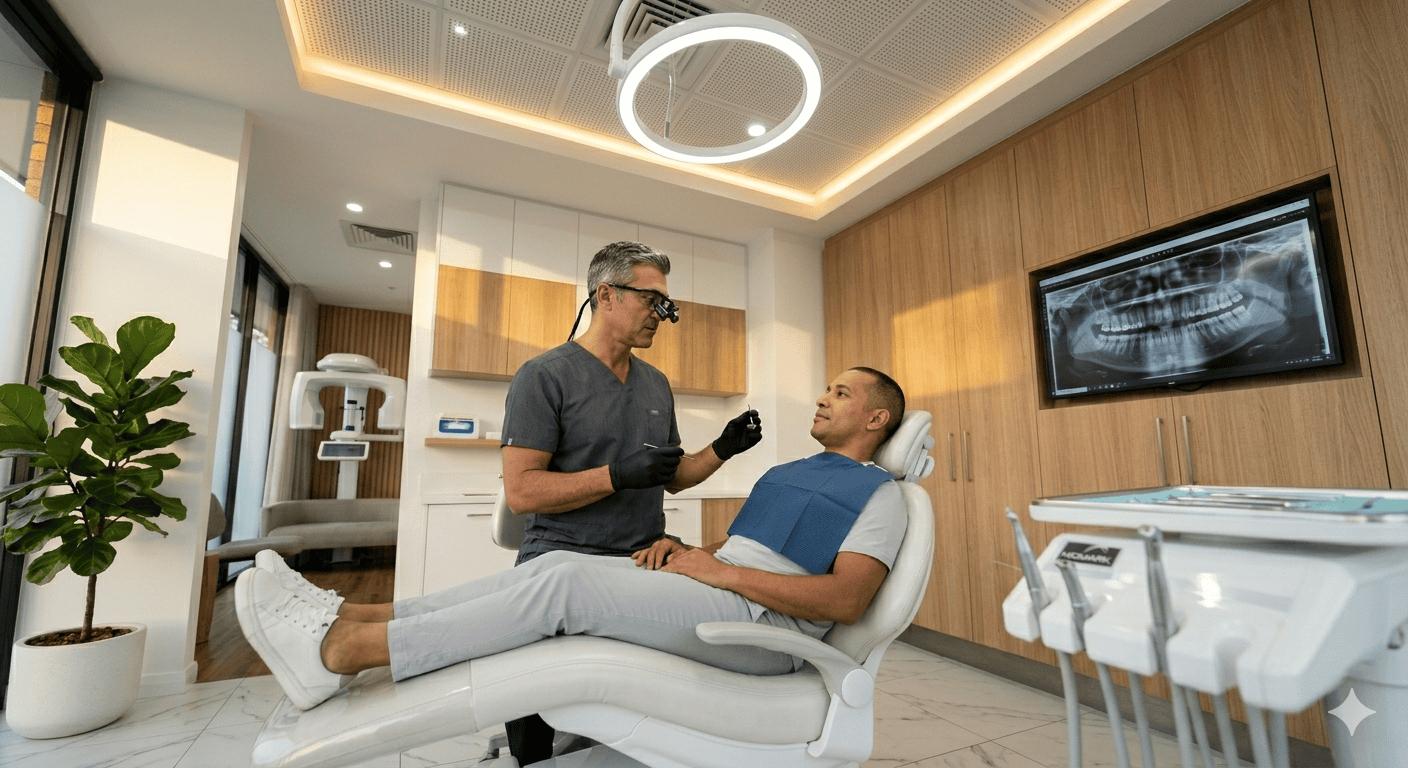
Dental crowns offer a reliable way to protect and restore damaged teeth. They fit over a tooth like a cap, strengthening it while improving its appearance and function. Crowns help prevent further decay or damage, making them a valuable solution for maintaining oral health.
People often choose crowns to repair teeth that are cracked, weakened, or worn down. They also support large fillings and cover dental implants. With modern materials, crowns look natural and feel comfortable, allowing patients to chew and smile with confidence.
Understanding these benefits makes it easier to see why dental crowns are a common choice for lasting dental care. Anyone curious about crowns should consider talking with their dentist about how this treatment could help their specific needs.
What Are Dental Crowns?
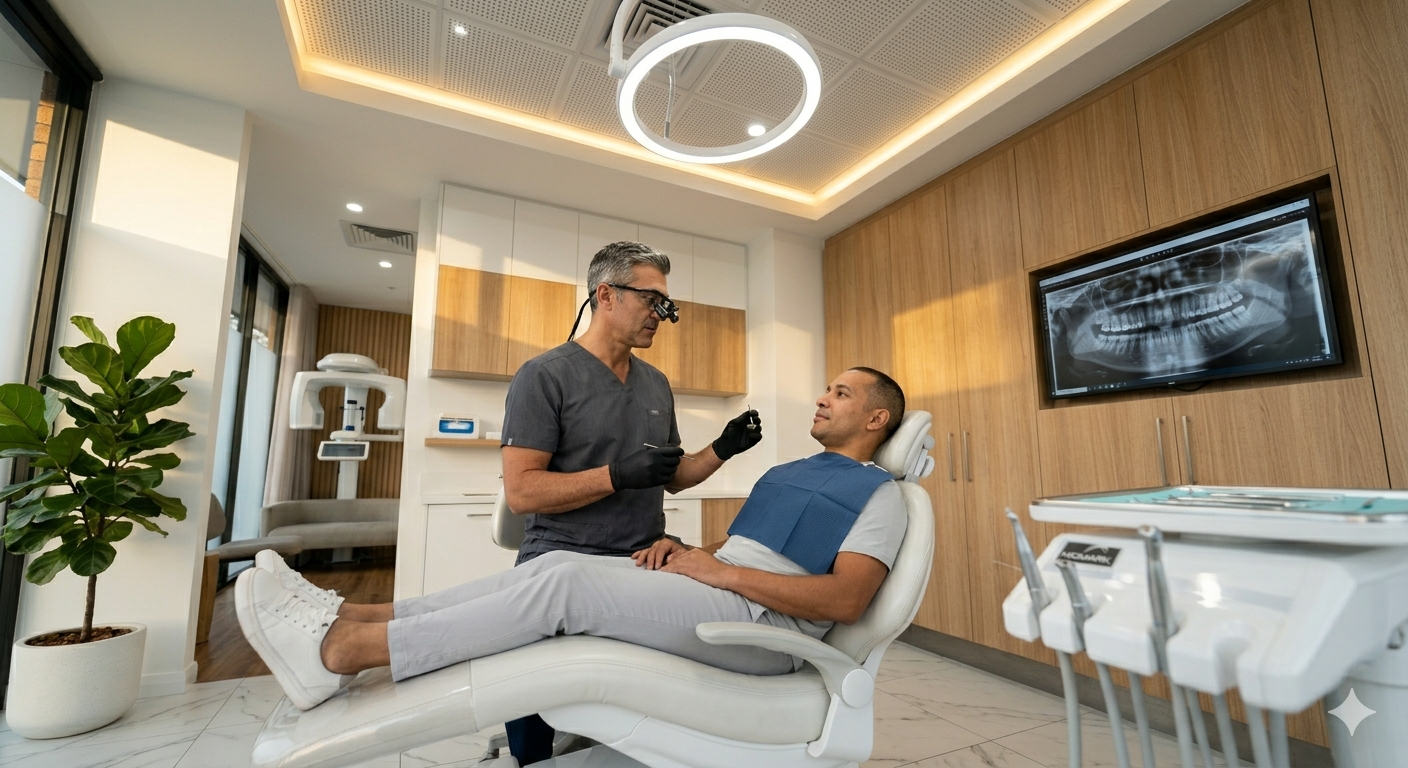
Dental crowns are custom-made caps that fully cover a damaged or weakened tooth. They restore the tooth’s shape, strength, and appearance. Crowns protect teeth from further damage and improve chewing function.
Understanding how crowns fit over teeth, the materials used, and the steps in placing them can help patients feel more confident and comfortable with the process.
How Dental Crowns Work
A dental crown acts like a protective shield for a tooth. It fits snugly over the entire visible portion, encasing the tooth right down to the gumline. This coverage strengthens teeth that are cracked, worn, or have large fillings.
Crowns also restore the tooth’s normal size and shape. By doing so, they improve bite alignment and make chewing safer and more comfortable. Patients with broken or decayed teeth often find that crowns prevent further damage or tooth loss.
The fit and seal of the crown help block bacteria from entering weakened areas. This reduces the risk of infections or cavities under the crown.
Types of Dental Crowns
There are several types of dental crowns, each with distinct benefits:
| Crown Type | Material | Main Benefit | Typical Use |
|---|---|---|---|
| Porcelain | Ceramic | Natural color match | Front teeth for aesthetics |
| Porcelain-fused-to-metal (PFM) | Metal + ceramic | Strength + appearance | Stronger areas with visible smile line |
| Zirconia | Zirconium dioxide | Very strong and durable | Back teeth or heavy bite areas |
| Gold or metal alloy | Gold, nickel alloys | Long-lasting and strong | Teeth that withstand chewing force but not visible |
Your dentist will recommend the best type based on which tooth needs crowning and your bite forces.
Crown Placement Process
Getting a dental crown usually takes two visits. First, the dentist prepares the tooth by removing damaged parts and shaping it to fit the crown. Impressions or scans of the tooth and surrounding teeth are then taken.
These impressions go to a dental lab, where technicians custom-make the crown. The patient gets a temporary crown to protect the tooth in the meantime.
At the second visit, the dentist removes the temporary crown and checks the permanent one for fit, color, and bite. Once satisfied, the crown is cemented in place. The dentist may make minor adjustments for comfort.
The process ensures the crown feels natural and secure, allowing normal eating and speaking soon after placement.
Core Benefits of Dental Crowns
Dental crowns serve important roles beyond just covering a tooth. They improve function, protect weakened teeth, and enhance the smile’s look. These advantages help patients maintain oral health and confidence.
Restoring Tooth Strength
When a tooth has a large filling or significant decay, its structure becomes fragile. A crown fits over the entire tooth, acting like a protective shell. This reinforcement prevents cracks and breaks during daily activities like chewing.
Crowns distribute bite forces evenly, which helps avoid stress on weakened areas. This makes it easier to eat without discomfort or fear of damaging the tooth further. Modern materials like porcelain and zirconia provide strong yet natural-looking options that blend well with the rest of the teeth.
The durability of crowns often means the tooth can be preserved longer than if left untreated. It reduces the chance of needing extraction or more complex treatments down the line.
Protecting Damaged Teeth
Teeth that have been cracked, chipped, or worn down are vulnerable to further damage and infection. Crowns seal these teeth completely, keeping bacteria out and creating a barrier against decay.
This protection is especially important after root canal therapy, where the tooth can become brittle. The crown stabilizes the tooth and reduces the risk of fracturing. Patients notice less sensitivity because the exposed dentin is covered.
In addition, crowns stop minor damage from progressing into major problems. This is a key preventive step that dental professionals recommend. Properly fitted, a crown restores tooth function safely and securely.
Enhancing Appearance
Dental crowns can significantly improve the look of discolored, misshapen, or uneven teeth. They can be customized in color and shape to match natural teeth, creating a harmonious smile.
People often choose crowns to cover stains that don’t respond to whitening treatments or to correct alignment issues without braces. Because crowns cover the entire visible surface, they provide a uniform and polished appearance.
Thanks to advances in dental materials, crowns now look very realistic. This makes them a preferred choice for front or highly visible teeth needing restoration. Patients tend to feel more confident when their smile looks healthy and natural.
Dental Crowns and Your Oral Health
Dental crowns play an important role in protecting and maintaining the strength of damaged teeth. They provide durable coverage that shields teeth from further damage and also help support other dental treatments for long-term oral health.
Preventing Further Tooth Decay
Crowns act as a strong barrier over a weakened tooth, preventing bacteria and food particles from reaching vulnerable areas. This reduces the risk of decay spreading or worsening, especially after procedures like root canals or large fillings.
Because crowns cover the entire visible part of the tooth, they help block out moisture and plaque buildup in cracks or fractures. This protection preserves the remaining tooth structure and supports healthier gums around the crown. Patients often find crowns reduce sensitivity caused by exposed dentin or enamel loss.
Supporting Other Dental Procedures
Crowns provide essential support for teeth that have undergone significant dental work. For example, after a root canal, the tooth becomes more brittle; a crown restores its shape and strength to prevent breakage.
They also serve as anchors for bridges or help rebuild worn-down teeth, allowing patients to chew comfortably again. Crowns ensure these dental restorations function properly without placing stress on surrounding teeth.
In many cases, crowns improve the fit and longevity of dental devices, offering a stable foundation that maintains oral comfort. This helps patients avoid further dental issues and enjoy lasting benefits from their treatments.
Comfort and Confidence With Crowns
Dental crowns help restore both the feel and look of damaged teeth, making daily activities like eating and smiling much easier. They provide a stable, natural surface that reduces discomfort and helps people feel better about their appearance.
Improving Comfort When Chewing
Crowns cover and protect weak or broken teeth, preventing further pain caused by pressure or sensitivity. They restore the tooth’s original shape, allowing even chewing forces to be distributed properly.
This means biting down won’t cause sharp pain, and hard or crunchy foods become easier to handle. Crowns also prevent irritation to the tongue and cheeks by smoothing rough edges from damaged teeth.
Since crowns fit securely over the natural tooth, they reduce movement that can lead to discomfort or jaw strain. Patients often report being able to eat without worrying about tooth pain or damage afterward.
Boosting Self-Esteem
Missing or damaged teeth can make people feel self-conscious, often hiding their smiles. Crowns restore the tooth’s appearance by matching color and shape, blending naturally with surrounding teeth.
This improvement helps patients regain confidence in social or professional settings. Knowing their teeth look healthy encourages smiling more often, which positively affects both mood and relationships.
Crowns also protect the success of other dental work, maintaining a clean, attractive mouth over time. This long-term assurance reduces anxiety about dental appearance and overall oral health.
Long-Term Advantages of Dental Crowns
Dental crowns provide lasting protection and support, preserving natural teeth while enhancing function and appearance. They are designed to stand up to daily wear without needing frequent repairs. This reliability, combined with their ease of care, makes them a practical choice for many dental needs.
Durability and Longevity
Dental crowns are made from strong materials like porcelain, ceramic, or metal alloys. These materials resist cracking and chipping, allowing crowns to last anywhere from 5 to 15 years, sometimes even longer with proper care.
Their strength helps protect weakened teeth from further damage. Crowns restore teeth that have undergone root canals or large fillings, preventing fractures. Because they fit snugly over the tooth, crowns reduce the risk of decay underneath.
Routine dental visits and good hygiene can extend the lifespan of a crown. Avoiding hard foods or grinding habits also plays a key role. When maintained well, crowns provide years of dependable function.
Low Maintenance Requirements
Taking care of crowns is similar to caring for natural teeth. Brushing twice daily with fluoride toothpaste and flossing regularly are essential habits. Crowns do not require special cleaning tools or harsh chemicals.
Unlike removable dental appliances, crowns stay fixed in place, reducing inconvenience. There’s no need to remove them for cleaning or sleep. This convenience supports consistent daily oral hygiene.
Regular dental checkups help monitor the condition of crowns and surrounding gums. Early detection of any issues means treatment can be simple and less costly. Crowns offer a hassle-free way to protect teeth with minimal extra effort.
Personalized Treatment for Every Patient
Dental crowns are tailored to meet each patient’s unique needs, ensuring comfort, function, and appearance. The process focuses on how well the crown fits the individual’s mouth and how the procedure affects surrounding teeth and tissues.
Custom-Fit for Natural Look and Feel
Each crown is crafted to match the size, shape, and color of the patient’s natural teeth. Dentists take detailed impressions and digital scans to create crowns that blend seamlessly with existing teeth. This careful customization helps the crown feel natural when biting or chewing.
Materials like porcelain or ceramic allow crowns to mimic the translucency and texture of real teeth. This means patients get a result that not only looks good but also restores their smile’s authenticity. Proper fit also reduces irritation or sensitivity around the gum line.
Minimally Invasive Solutions
Modern dental crowns often require minimal tooth removal, preserving as much healthy enamel as possible. Dentists use precise tools and imaging to remove only the damaged or weakened parts of the tooth.
Less invasive preparation leads to quicker recovery and less discomfort after treatment. Some crowns can even be placed in a single visit, reducing the need for multiple appointments. This approach keeps patients more comfortable and helps maintain overall oral health.
Modern Innovations in Dental Crowns
Dental crowns have seen significant advances that make treatments quicker, more comfortable, and durable. These improvements focus on better materials and quicker dental procedures, which together enhance patient experience and results.
Advanced Materials and Technology
New materials like zirconia and lithium disilicate have transformed dental crowns. Zirconia is known for its strength and natural appearance, making it ideal for both front and back teeth. Lithium disilicate offers excellent translucency, closely mimicking the natural enamel.
Digital technology plays a big role too. CAD/CAM systems allow dentists to design and create crowns with high precision. This helps crowns fit better, reducing adjustments and increasing longevity.
These materials resist staining and wear better than older options, so crowns look good and last longer. Patients benefit from crowns that not only protect teeth but also blend seamlessly with their smile.
Faster and More Comfortable Appointments
Impressions used to require messy molds that were uncomfortable and time-consuming. Now, digital scanners capture detailed images of teeth in minutes, making the process smoother and less invasive.
With in-office milling machines, some crowns can be made and placed in a single visit. This eliminates weeks of waiting and multiple appointments. The faster turnaround reduces discomfort and anxiety related to temporary crowns.
Additionally, improved anesthesia techniques and gentle preparation methods help minimize pain. Patients can expect a more relaxed experience from start to finish, encouraging regular dental care without dread.
Taking the Next Step Toward a Healthier Smile
Choosing dental crowns is a positive move toward protecting teeth and improving oral health. It’s important to talk with a trusted dentist who can evaluate your unique needs and explain the best options available.
Many patients feel more comfortable knowing modern crowns come in natural colors and fit smoothly. This means they not only restore function but also blend well with surrounding teeth for a confident smile.
Here’s what to expect when considering dental crowns:
- Consultation: The dentist examines teeth and discusses goals.
- Preparation: The tooth is shaped gently to fit the crown.
- Impression: A mold is taken to create a custom crown.
- Placement: The crown is securely attached, restoring strength.
Patients should ask questions about comfort during and after the procedure. Understanding care tips, like proper brushing and avoiding hard foods, helps crowns last longer.
If dental crowns sound like the right solution, scheduling a consultation is the best next step. A friendly dental professional will guide patients through the process, addressing concerns and ensuring a smooth experience.
Frequently Asked Questions
Dental crowns offer strength and protection for damaged teeth, but many wonder how they work and what to expect. Understanding the types, risks, and appearance of crowns helps patients make informed choices.
How can a crown protect a weak or cracked tooth and help it last longer?
A crown fully covers a weak tooth, holding it together and preventing further damage. It redistributes biting forces evenly, which reduces the risk of cracks spreading.
By sealing the tooth, crowns also keep out bacteria, lowering the chance of decay or infection. This support helps teeth stay functional and healthy for years.
What are the different types of crowns, and how do you choose the best one for your tooth?
Crowns come in several materials: porcelain, ceramic, metal, and porcelain-fused-to-metal. Porcelain and ceramic offer a natural look, ideal for front teeth.
Metal crowns are very durable and often used on back teeth where the chewing force is greater. Your dentist considers aesthetics, strength, and cost when recommending the best option.
What are the main downsides or risks of getting a crown, and how can they be minimized?
Crowns can sometimes cause tooth sensitivity or discomfort after placement. There is also a small chance of the crown becoming loose or chipping.
Good oral hygiene, avoiding very hard foods, and regular dental checkups help reduce these risks. Proper preparation and skilled fitting by the dentist also improve crown longevity.
What should you expect when a tooth is prepared for a crown, and does it hurt?
To prepare a tooth, the dentist gently removes a thin layer around it to make space for the crown. Local anesthesia is used, so patients typically feel little to no pain during the procedure.
Some mild sensitivity may occur afterward, but it usually fades within a few days. Modern techniques focus on comfort throughout the process.
How do crowns on front teeth look before and after, and will they match your natural smile?
Front tooth crowns can be color-matched to blend seamlessly with your existing teeth. Skilled dentists use shade guides to get a natural finish.
After placement, crowns look like regular teeth and improve smiles by covering discoloration or damage. The goal is a comfortable, confident look that feels authentic.
Is a tooth cap the same as a crown, and when would one be recommended over the other?
A tooth cap is another name for a crown; the terms are used interchangeably. Both cover and protect damaged teeth.
They are recommended when a tooth is cracked, heavily filled, weak, or after a root canal to restore strength and appearance. Your dentist will suggest the best option based on your specific needs.
