
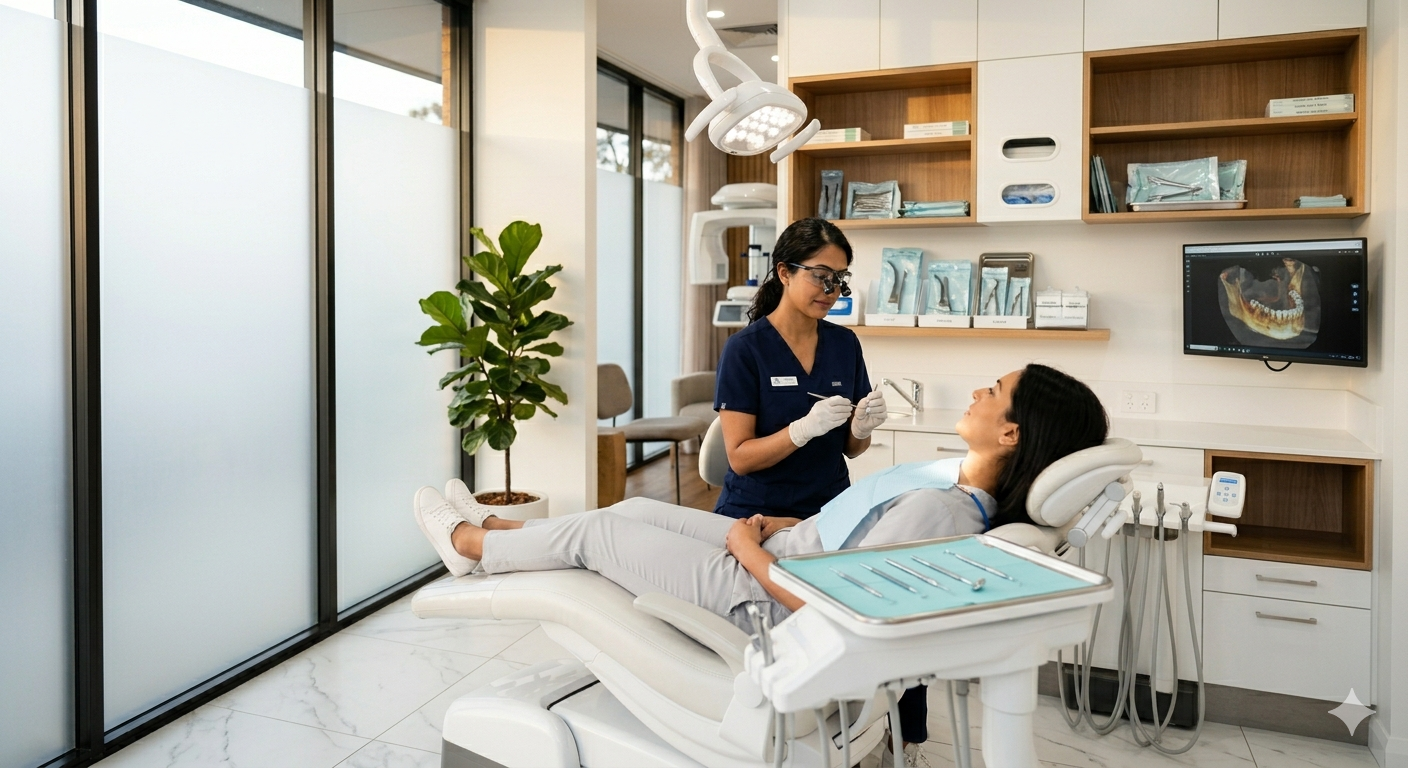
When a dental emergency strikes in San Diego, knowing where to turn quickly matters most. An emergency dentist in San Diego, CA, is available to provide prompt care for sudden issues like severe tooth pain, broken teeth, or abscesses. This ensures patients get relief and proper treatment without unnecessary delay.
These dentists understand that dental emergencies can be stressful and often painful. They offer compassionate care and modern solutions to ease discomfort and protect the health of your teeth and gums.
Finding an emergency dentist nearby means access to expert help when you need it most. Whether it’s after hours or during a weekend, many clinics have flexible options designed with patient convenience in mind.
Recognizing Dental Emergencies
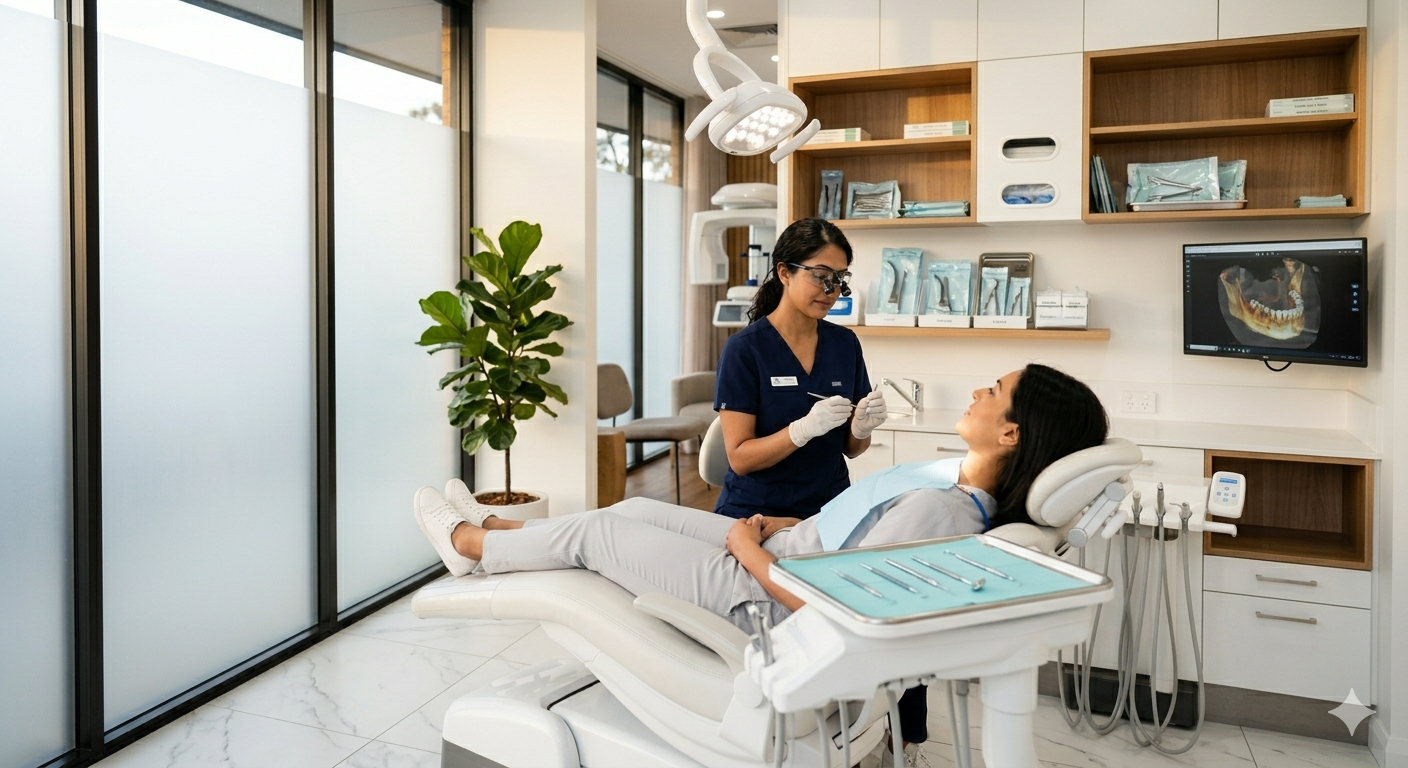
Knowing when a dental problem requires urgent care can save teeth and reduce pain. It’s important to spot clear signs that demand prompt attention, understand which issues can wait, and know simple steps to manage discomfort at home until professional help arrives.
Common Signs That Need Quick Care
Severe tooth pain that doesn’t improve with over-the-counter painkillers is a major warning sign. It could indicate infection or injury needing fast treatment.
Other urgent symptoms include a knocked-out tooth, loose or broken teeth after trauma, uncontrolled bleeding, and swelling that affects breathing or swallowing.
A lost filling or crown may need attention soon if it causes sharp pain or exposes sensitive areas.
Ignoring these symptoms can lead to worsening infection or permanent damage, so timely dental visits are crucial.
What Is Not Considered an Emergency
Mild tooth sensitivity or occasional dull aches typically don’t require emergency visits. Many such issues respond well to regular dental appointments.
Minor chips that don’t hurt, small cavities without pain, and loose braces wires usually wait for routine care.
If swelling is mild and no breathing difficulty exists, scheduling a dentist visit within days is sufficient.
Understanding these distinctions helps avoid unnecessary panic and emergency room trips.
Immediate Steps to Take at Home
Rinsing gently with warm salt water can reduce bacteria and soothe inflamed gums. Applying a cold compress helps lower swelling and numb pain.
For a knocked-out tooth, hold it by the crown, rinse if dirty, and try to reinsert it carefully or place it in milk to keep it moist.
Avoid chewing on the affected side, and use over-the-counter pain relief as directed.
Contacting an emergency dentist promptly ensures these steps support proper care, not replace it.
Types of Urgent Dental Situations
Emergency dental care covers a range of issues that need fast attention to prevent further damage or relieve intense pain. Knowing what qualifies as an urgent situation can help patients act quickly and seek appropriate treatment.
Severe Tooth Pain Relief
Severe tooth pain often signals an infection, deep decay, or damaged nerves. It’s different from mild discomfort and usually requires prompt dental evaluation. Pain that keeps you awake or worsens over a few hours is a clear sign to see an emergency dentist.
Treatment may involve numbness, painkillers, or immediate care like a root canal or extraction. Ignoring sharp or throbbing pain risks spreading infection or tooth loss. Dentists prioritize pain relief combined with identifying the root cause to prevent recurrence.
Broken or Knocked-Out Teeth
A broken tooth can range from a tiny chip to a large crack exposing nerves. If a tooth is fractured, it’s important to protect the area and visit a dentist promptly. For knocked-out teeth, time is critical—ideally, the tooth should be repositioned or stored properly within an hour.
Patients should gently rinse the tooth with water and avoid scrubbing it. Keeping the tooth moist by placing it in milk or saliva improves chances of saving it. Emergency dentists can often reattach or stabilize teeth, reducing long-term damage and restoring function.
Abscesses and Infections
Dental abscesses are painful pockets of pus caused by bacterial infection. They appear as swollen, red areas on the gums and may cause fever or facial swelling. Immediate dental care is essential since these infections can spread to other parts of the body.
Treatment usually includes draining the abscess, antibiotics, and fixing the underlying tooth problem. Early intervention prevents serious complications and speeds healing. Patients should never ignore swelling or persistent bad taste, as these often indicate infection.
How Same-Day Appointments Work
Getting a same-day appointment starts with contacting the dental office and sharing key details about the emergency. The process is designed to be quick and focused, ensuring patients get timely care without unnecessary waiting.
What to Expect When You Call
When patients call for emergency dental care, the receptionist first asks specific questions about the issue. This includes the type of pain, injury details, and any swelling or bleeding. These details help determine the urgency.
The staff then checks the schedule for immediate openings. If none are available, they may suggest the next best time or refer to an emergency dentist nearby. Clear communication at this stage helps both parties prepare efficiently for the visit.
Streamlined Emergency Intake Process
Upon arrival, patients complete a brief intake form focused on their current problem and medical history. This process is faster than a routine check-up because the team prioritizes the emergency.
The dentist conducts a quick evaluation, often using digital X-rays or visual inspection. This step allows them to diagnose the issue accurately and recommend treatment immediately. The goal is to relieve pain and prevent further damage as soon as possible.
Modern Emergency Treatments
Emergency dental care in San Diego focuses on quick relief, effective repairs, and accurate diagnosis. These essential parts ensure that patients not only feel better fast but also receive lasting care tailored to their specific needs.
Comfort-Focused Pain Management
Pain relief is the top priority when someone arrives with a dental emergency. Dentists use a variety of methods to reduce discomfort quickly. Local anesthetics like lidocaine numb the affected area, allowing painless treatment of cracks, infections, or injuries.
For severe pain, dentists may provide prescription-strength painkillers or recommend over-the-counter options. Sedation techniques, such as nitrous oxide (laughing gas), can also ease anxiety and reduce pain sensitivity.
This approach helps patients feel calm and comfortable during treatment, promoting faster healing. Pain management is adjusted to each individual’s needs, especially for children and those with health conditions.
Gentle Tooth Repairs and Restoration
When a tooth is broken, cracked, or knocked out, speed and precision matter. Emergency dentists in San Diego use modern materials like composite resins that closely match the natural color of teeth. These materials bond quickly and provide durable repairs in a single visit.
If the tooth is severely damaged, a crown or temporary restoration might be placed immediately to protect it until full treatment is possible. For lost teeth, dentists can sometimes reimplant them if they act fast.
Care is taken to minimize discomfort during repairs. Treatments aim to restore function and appearance gently, preventing further damage and improving the patient’s confidence.
Digital Diagnostics for Fast Answers
Using digital X-rays and 3D imaging, dentists can assess dental injuries accurately and quickly. These tools provide clear, detailed views of teeth, roots, and surrounding bone without the delays of traditional methods.
Digital diagnostics help identify hidden fractures, infections, or root problems that can affect treatment choice. The images are stored electronically, making it easy to track progress during follow-up visits.
This technology reduces waiting times and unnecessary procedures, letting dentists create targeted treatment plans. It also limits radiation exposure, adding a safety benefit for patients.
Finding a Local Trustworthy Dental Provider
Choosing the right emergency dentist means looking beyond just availability. It involves assessing their skills, reliability, and how well they communicate during stressful situations. Knowing what matters most can help patients feel confident when seeking urgent dental care.
Qualities of a Reputable Emergency Dentist
A reputable emergency dentist is accessible, often offering extended hours or same-day appointments. They prioritize patient comfort by using gentle techniques and explaining procedures clearly. Look for dentists with valid licenses and good standing within local dental boards.
Experience with common emergencies like toothaches, broken teeth, or lost fillings is crucial. The dentist should have modern equipment to diagnose and treat issues efficiently. Positive patient reviews and referrals reflect trustworthiness and consistent quality care.
How to Evaluate Emergency Dental Clinics
Evaluate clinics based on response time and ease of scheduling. A reliable clinic will answer calls promptly and explain treatment options clearly. Check if they accept your insurance or offer transparent pricing to avoid surprises.
Facility cleanliness, friendly staff, and clear communication are key indicators of a patient-focused clinic. Some also provide sedation or pain management options to ease anxiety. Visiting the clinic beforehand or checking online reviews can give a sense of their professionalism and environment.
Insurance, Costs, and Payment Options
Understanding the financial side of emergency dental care helps patients plan and avoid surprises. Many options exist to handle urgent treatment expenses, whether through insurance or payment plans.
Coverage for Urgent Dental Care
Most dental insurance plans cover emergency visits, but coverage levels can vary. Plans often include services like examinations, X-rays, and pain relief but might limit coverage for procedures like root canals or extractions done urgently.
Patients should check with their insurer about specifics such as deductibles, co-pays, and annual maximums. Some plans require pre-authorization for certain treatments, even in emergencies. Out-of-network dentists may charge more. It’s helpful for patients to keep their insurance card and policy details handy when visiting an emergency dentist in San Diego.
Flexible Financing Solutions
For those without insurance or needing extra help, many dental offices offer flexible payment options. These can include monthly payment plans, interest-free financing for a set period, or dental credit cards designed specifically for healthcare.
Patients might also consider third-party lenders that partner with dentists to spread costs over time. Transparent discussions about fees upfront allow patients to understand what they owe before treatment starts. This approach reduces stress and helps focus on recovery rather than finances. Encouraging patients to inquire about these options ensures care is accessible when it matters most.
Prevention and Aftercare Tips
Taking steps to protect your teeth and gums can reduce the chances of dental emergencies. Knowing how to properly care for your smile after treatment helps speed recovery and keeps discomfort to a minimum.
Strategies to Avoid Future Dental Crises
Avoiding dental emergencies starts with daily habits. Brushing twice a day with fluoride toothpaste and flossing regularly removes plaque buildup that can cause decay or gum disease. Limiting sugary snacks and drinks reduces acid attacks on the enamel.
Wearing a mouthguard during sports protects teeth from impact injuries. Avoid chewing hard objects like ice or popcorn kernels, which can crack teeth. Routine dental checkups every six months allow early detection of problems before they turn into emergencies.
If teeth feel loose or painful, seeking prompt dental advice prevents worsening damage. Staying hydrated and avoiding tobacco also supports healthy oral tissues, lowering risk factors for emergencies.
How to Care for Your Smile After Treatment
After emergency dental care, follow the dentist’s instructions carefully. Keeping the treated area clean prevents infection. Gentle rinsing with warm salt water several times a day helps reduce swelling and aids healing.
Avoid eating hard or sticky foods for a few days to protect sensitive areas. Pain and swelling may occur; over-the-counter pain relievers like ibuprofen can help. Rest as much as possible to allow your body to recover.
If a tooth was extracted or repaired, avoid smoking and hot beverages in the first 24 hours to prevent complications. Watch for signs such as persistent bleeding, severe pain, or fever and contact your dentist if these occur. Proper care speeds healing and keeps your smile strong.
When to Seek Help Beyond Dentistry
Sometimes, dental issues might signal a need for medical care beyond what a dentist can provide. If someone experiences severe facial swelling that makes breathing or swallowing difficult, they should seek emergency medical attention immediately.
Signs like a high fever, persistent headache, or swelling spreading to the neck or eyes suggest an infection might be spreading beyond the mouth. These conditions require evaluation in a hospital or urgent care setting, as antibiotics and more intensive treatment may be necessary.
In cases of trauma involving broken jaws, deep cuts, or loss of consciousness, it’s important to visit the emergency room first. Dentists can handle many dental injuries, but some traumas need coordination with other specialists like oral surgeons or emergency physicians.
If tooth pain accompanies symptoms like chest pain, shortness of breath, or dizziness, it could indicate a heart-related issue. Prompt medical evaluation is vital in such scenarios.
Understanding when dental pain crosses over into medical emergencies can protect overall health. If unsure, it is better to err on the side of caution and consult a medical professional.
Next Steps Toward a Healthier Smile
After visiting an emergency dentist in San Diego, the next steps focus on healing and maintaining oral health. Patients should follow any care instructions closely, such as taking prescribed medications or avoiding certain foods, to support recovery.
Scheduling a follow-up appointment is important. This allows the dentist to assess healing and discuss any further treatments, like fillings or crowns, needed to restore the smile fully.
Daily habits play a big role in preventing future dental emergencies. Brushing twice a day with fluoride toothpaste, flossing regularly, and wearing a mouthguard during sports are simple ways to protect teeth.
A quick checklist for ongoing care:
- Brush twice daily
- Floss once daily
- Limit sugary snacks
- Stay hydrated
- Visit the dentist every six months
Modern dentistry offers many tools for comfort and prevention, including gentle cleanings and digital X-rays. These help keep patients’ smiles healthy without stress.
If any new pain or issues arise, it’s best to contact the dentist right away. Early action can prevent minor problems from becoming emergencies.
Encouraging patients to ask questions and share concerns helps build trust and ensures they feel supported on their path to a healthier smile.
Frequently Asked Questions
Emergency dental situations often require quick decisions about pain severity, treatment options, and costs. Understanding when to seek care, what actions to take immediately, and how insurance like Medi-Cal plays a role can make a big difference.
How do I know if my tooth pain is a true emergency or something that can wait until tomorrow?
Severe pain that suddenly worsens, swelling, fever, or difficulty eating or breathing should be treated as an emergency. Mild discomfort or sensitivity often can wait until the next available appointment. If in doubt, getting an evaluation the same day is safest.
What should I do right now if I have a broken tooth, knocked-out tooth, or a lost filling?
For a broken tooth, rinse your mouth gently and save any pieces. With a knocked-out tooth, handle it by the crown, rinse it if dirty, and try to reinsert it or keep it moist in milk. Use dental wax to cover sharp edges and schedule emergency care immediately. Lost fillings should be cleaned and temporary dental cement can help protect the tooth until you see a dentist.
Can I be seen the same day if the dental office is open late, on weekends, or after hours?
Many emergency dentists in San Diego offer extended hours, weekends, or after-hours care to accommodate urgent needs. Same-day appointments depend on office availability but calling early improves chances of being seen promptly.
What can I do if I need urgent dental care but don’t have insurance or can’t pay upfront?
Some clinics offer payment plans or sliding scale fees for emergency services. Dental schools and community health centers may provide lower-cost care. It’s important to communicate your financial situation when scheduling to explore options.
Does Medi-Cal cover emergency dental visits, and what paperwork should I bring with me?
Medi-Cal does cover emergency dental services, including pain relief and treatment for infections. Patients should bring valid Medi-Cal identification and any referral documents to ensure quicker processing.
What’s the typical cost range for an emergency dental exam and X-rays, and what factors can change the price?
Emergency exams in San Diego often range from $75 to $200, with X-rays adding $50 to $150. Costs vary by clinic, complexity of the issue, and whether additional treatments like extractions are needed. Insurance coverage and payment plans can reduce out-of-pocket expenses.
