
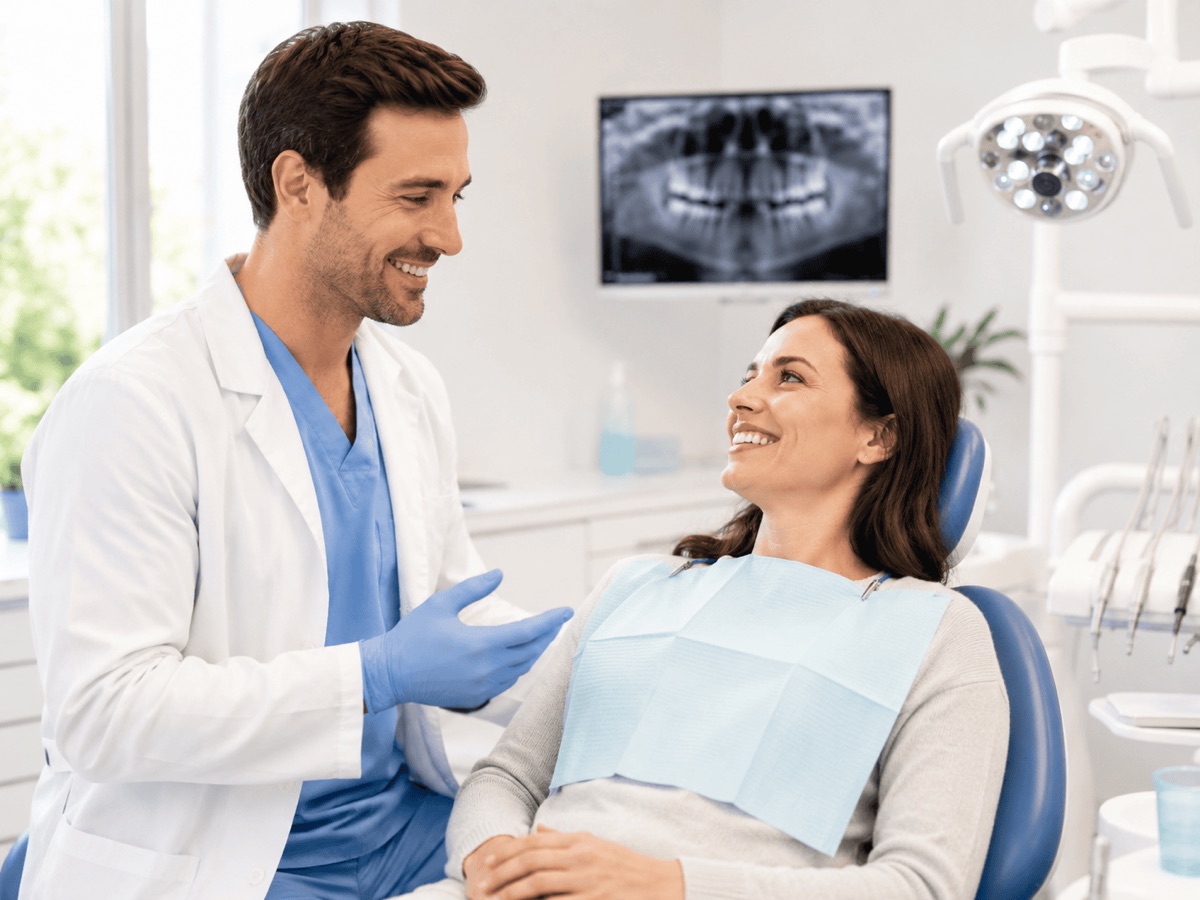
Losing several or all of the teeth can affect more than appearance. It may make favorite foods harder to enjoy, change speech, and leave a person feeling less comfortable in social situations. Fortunately, today’s dentures offer a practical and natural-looking way to rebuild a smile.
For patients considering dentures in San Diego, CA, understanding the available choices can make the process feel much less overwhelming. Dentures are not one-size-fits-all. Their design, materials, fit, and support can be customized around a patient’s mouth, health, lifestyle, and budget.
This guide explains the main types of dentures, what the treatment process may involve, how to care for a new smile, and which questions to ask during a dental consultation.
This article provides general educational information and is not a substitute for a diagnosis or personalized treatment plan. A dentist should evaluate concerns involving missing teeth, sore gums, loose dentures, or treatment suitability.
What Are Dentures?
Dentures are removable dental appliances used to replace missing teeth and nearby gum tissue. Depending on the design, they may replace every tooth in an arch or fill spaces left by several missing teeth.
Modern dentures are made to look more lifelike than many people expect. The shade, shape, and arrangement of the replacement teeth can be selected to complement the patient’s face and smile. The gum-colored base can also be customized for a more natural appearance.
A well-planned denture may help a patient chew a broader range of foods, speak more clearly, and feel more confident when smiling. Results vary, and even a carefully made denture usually requires an adjustment period.
Types of Dentures Available
The right restoration depends on how many teeth are missing, whether any remaining teeth can be preserved, and how much support is available from the gums, bone, or dental implants.
Full Dentures
Full dentures, also called complete dentures, replace all the teeth in the upper jaw, lower jaw, or both. They rest on the gum tissue and are shaped to fit the contours of the mouth.
Upper dentures usually cover part of the roof of the mouth, while lower dentures have a horseshoe shape that leaves room for the tongue. Because the upper and lower arches have different anatomy, they may not feel or function exactly the same.
Partial Dentures
A partial denture fills gaps when some healthy natural teeth remain. It commonly uses a framework and small clasps or other connectors for support. Replacement teeth are positioned in the open spaces.
Partial dentures can prevent a patient from relying too heavily on one side of the mouth when chewing. The dentist will also examine the remaining teeth because they play an important role in supporting the appliance.
Immediate Dentures
Immediate dentures are inserted shortly after selected teeth are removed, allowing the patient to avoid going without visible teeth during the early healing period. They are planned in advance, so the dentist cannot test their fit after the teeth have been removed but before fabrication.
The mouth changes as extraction sites and gum tissues heal. Consequently, an immediate denture may require adjustments, a reline, or eventual replacement. A dentist should explain how early post-extraction recovery differs from the longer process of stabilizing the fit.
Implant-Supported and Implant-Retained Dentures
Dental implants may be used as attachment points for certain removable dentures or as support for a fixed full-arch restoration. These options differ from conventional dentures that rely primarily on the gums for support.
Implant treatment requires a detailed assessment of oral health, available bone, medical history, and personal goals. It also involves separate phases, which may include surgical healing, integration of the implants with the surrounding bone, and placement of the final restoration. Those phases should not be treated as a single recovery timeline.
Not every patient needs or qualifies for implants. A consultation allows the dental team to compare conventional dentures, implant-retained appliances, and other tooth-replacement choices without assuming that one option is best for everyone.
What to Expect During the Denture Process
The process begins with a comprehensive examination. The dentist may assess the gums, jaw relationship, remaining teeth, existing dental work, and areas of soreness or infection. Dental images may be recommended when the findings could affect the treatment plan.
If dentures are appropriate, planning may include impressions or digital records, bite measurements, and a discussion about tooth shade and shape. Some cases include a preview or try-in appointment so the position and appearance of the teeth can be reviewed before the denture is completed.
After delivery, follow-up visits are important. A small area of excess pressure can create a surprisingly sore spot, but the dentist can often identify and adjust the source. Patients should not attempt to reshape or repair a denture at home because doing so may damage the appliance or make its fit worse.
Getting Comfortable With New Dentures
New dentures can initially feel bulky or unfamiliar. The tongue, cheeks, and facial muscles need time to adapt. According to >patient guidance from Cambridge University Hospitals, practicing insertion and removal is part of getting used to a new appliance.
Patients can make the adjustment easier by:
- Starting with soft foods cut into small pieces
- Chewing slowly and using both sides when possible
- Reading aloud to practice speech
- Following the dentist’s instructions about wear and removal
- Keeping scheduled adjustment appointments
Persistent pain, repeated slipping, sharp edges, mouth sores, or an inability to eat should not simply be accepted as normal. These concerns deserve a dental evaluation.
How Should Dentures Fit?
A denture should feel stable enough for everyday activities without repeatedly rubbing or pinching the tissues. However, a removable appliance does not feel exactly like natural teeth, and the amount of stability can differ between the upper and lower jaw.
The mouth also changes over time. Gums and the bone beneath them may gradually change shape, causing a once-comfortable denture to become loose. Worn replacement teeth can also affect the bite. Professional relining, rebasing, adjustment, or replacement may be needed when fit or function declines.
Denture adhesive may provide extra confidence in some situations, but it should not be used to hide a major fit problem. A dentist can determine whether looseness comes from ordinary wear, changes in the mouth, damage to the appliance, or another concern.
Daily Denture Care
Dentures collect food particles and plaque, so they need daily cleaning even though they cannot develop cavities. The gums, tongue, and any remaining natural teeth also require regular care.
A practical routine may include:
- Cleaning the denture over a folded towel or basin of water to reduce the chance of breakage if it is dropped
- Using a denture brush or soft brush and a cleaner recommended by the dentist
- Avoiding abrasive products that could scratch the surface
- Cleaning the tongue, gums, and remaining teeth gently
- Storing the denture as directed when it is not being worn
- Attending routine dental visits for oral tissue and fit checks
Patients should follow instructions specific to their appliance. Materials and attachments vary, and a product that is safe for one denture may not be appropriate for another.
How Much Do Dentures Cost in San Diego?
There is no single price for dentures because each treatment plan is different. Cost may depend on whether the patient needs a full or partial denture, the materials selected, the complexity of the bite, laboratory work, preliminary dental care, and the number of follow-up services included.
Tooth extractions, relines, repairs, and implant treatment can also affect the overall investment. Patients comparing fees should ask what the estimate includes rather than looking only at the initial price of the appliance.
Dental insurance may cover part of medically necessary denture treatment, subject to the plan’s deductible, waiting period, annual maximum, and replacement rules. A dental office can review available payment arrangements, but the insurance company makes the final benefit determination.
When Should an Existing Denture Be Checked?
A denture does not have to be broken to need attention. Patients should arrange an evaluation if they notice:
- New looseness or frequent movement
- Ongoing gum irritation or sore areas
- Cracks, chips, or damaged clasps
- Difficulty chewing foods that were previously manageable
- Changes in speech or bite
- A need for increasing amounts of adhesive
- Changes in the appearance of the mouth or face
Regular dental examinations remain important for people with complete dentures. The dentist can inspect oral tissues, evaluate the fit, and look for changes that may not be painful or visible at home.
Frequently Asked Questions About Dentures
Will dentures look natural?
They can be designed with tooth shades, shapes, and arrangements that suit the patient’s facial features and preferences. Natural-looking results depend on careful planning, quality fabrication, and realistic expectations.
Can a person eat normally with dentures?
Many patients regain useful chewing function, but learning to eat with a removable appliance takes practice. Starting with softer foods and gradually expanding the diet can help. Some hard, sticky, or difficult-to-chew foods may remain challenging.
Should dentures be worn while sleeping?
Patients should follow their dentist’s individual directions. In many cases, removing a conventional denture for a period allows the supporting tissues to rest and creates time for cleaning. Instructions may differ after extractions or for particular appliances.
Can broken dentures be repaired at home?
Home glue and repair kits may contain unsuitable materials or alter how the pieces fit together. A dental professional or laboratory should assess the damage. Patients should bring all broken pieces to the appointment.
How long do dentures last?
There is no universal replacement schedule. Denture teeth and bases experience wear, while the mouth naturally changes over time. Regular examinations help determine whether adjustment, relining, rebasing, or a new appliance is appropriate.
Are dentures or implants the better choice?
Neither option is automatically better for every person. The decision may depend on oral and general health, anatomy, budget, maintenance preferences, treatment time, and comfort with surgery. A dentist can explain the tradeoffs after an examination.
Explore Denture Options in San Diego, CA
Missing teeth do not have to prevent someone from smiling, speaking, or sharing meals with confidence. The best first step is a thoughtful evaluation that considers comfort, appearance, function, health, and long-term maintenance.
Patients exploring dentures in San Diego, CA can contact Anchor Dental & Implant Center to ask questions and discuss suitable tooth-replacement options. The practice is located at 11717 Bernardo Plaza Ct, Suite 100, San Diego, CA 92128. A personalized consultation can help clarify which approach fits the patient’s needs and what to expect next.