We prioritise your gum health with comprehensive services designed to prevent, diagnose and treat periodontal disease.
Periodontal disease is a bacterial infection that affects the gums and the bone supporting the teeth. Left untreated it causes inflammation and can end in tooth loss — but caught early it is very treatable, and in its mildest form it is reversible.
We offer personalised treatment plans that may include deep cleaning, scaling and root planing, or more advanced procedures to restore gum health.
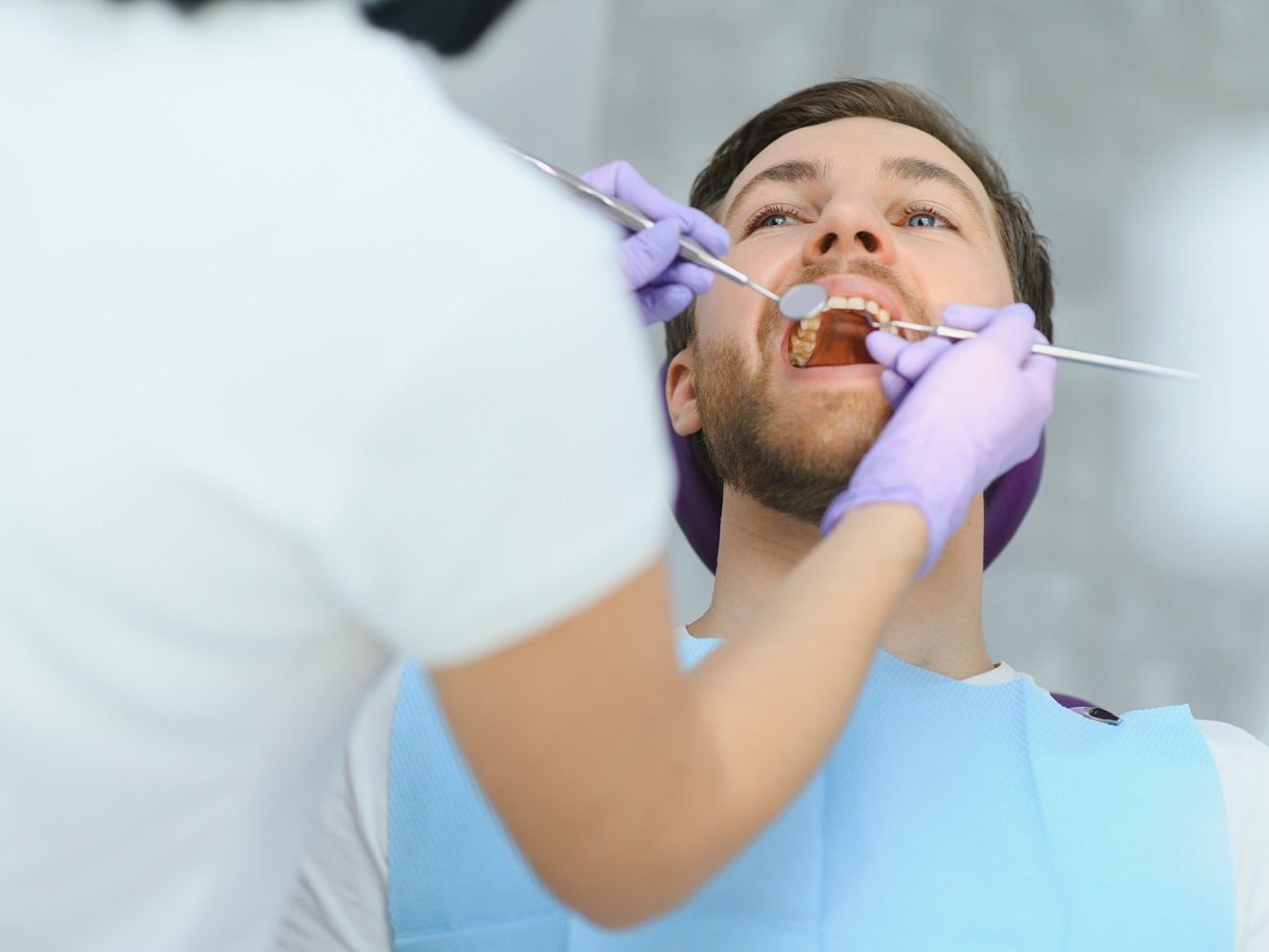
-
- 2 types
- gingivitis, which is reversible, and periodontitis, which is not
-
- Preventable
- with good hygiene and regular professional cleaning
-
- Whole-body
- research links gum health to heart, lung and other conditions
-
- One roof
- diagnosis through to surgical treatment, under one roof
Signs and symptoms
When to have your gums looked at
-
Swollen or bleeding gums
Gums that bleed when you brush or floss are one of the most common early signs, and they are easy to dismiss.
-
Persistent bad breath
Breath that does not improve with brushing can point to bacteria below the gum line.
-
Gum recession
Gum tissue pulling away from the teeth, often making teeth look longer than they used to.
-
Loose or shifting teeth
Tooth mobility suggests the bone supporting the tooth has been affected and should be assessed quickly.
If you recognise any of these, book an assessment. Gingivitis is mild and reversible. Periodontitis is more severe and can lead to tooth loss, so the earlier it is caught the more of your natural tooth structure can be kept. Call (858) 221-6713.
What we provide
Treatments for gum and bone health
-
Periodontal scaling & root planing
A deep cleaning procedure that removes plaque and tartar from below the gum line to treat gum disease.
-
Prophylaxis (routine cleaning)
Routine teeth cleaning that helps prevent gum disease and maintain oral health through the removal of plaque and tartar.
-
Antibiotic treatment
Antibiotics may be prescribed to combat gum infections and support the healing of periodontal tissues.
-
Pocket irrigation
Flushing bacteria out of periodontal pockets to enhance healing and reduce the risk of infection.
-
Pocket reduction surgery
A procedure to decrease the depth of periodontal pockets, improving gum health and making cleaning easier.
-
Gum grafting & soft tissue grafting
Transplanting tissue to cover exposed tooth roots or rebuild gums, improving both function and appearance.
-
Regenerative procedures
Procedures that promote the healing of gum tissue and bone, aiding recovery from periodontal disease.
-
Crown lengthening
A surgical procedure that exposes more of a tooth’s structure, to improve aesthetics or to allow a restoration.
-
Bone grafting & ridge modification
Restoring or reshaping lost bone in the jaw — important for the stability of teeth and for dental implants.
-
Bruxism management
Teeth grinding can cause gum recession and other damage; we provide strategies to protect your teeth and gums.
-
Oral cancer exams
Screening for abnormal tissue or lesions, carried out as part of our periodontal care.
What to expect
From assessment to maintenance
-
Examination and diagnosis
Early diagnosis involves thorough examination and assessment to identify the extent of the gum issues and the best course of action.
-
A personalised treatment plan
Plans may include deep cleaning, scaling and root planing, or more advanced procedures to restore gum health.
-
Treatment
Carried out here at the practice, with sedation available if the thought of treatment makes you anxious.
-
Ongoing maintenance
Regular maintenance and follow-up appointments are essential to keep your gums healthy and prevent recurrence.
Why it matters
Gum health and the rest of your body
-
Heart disease and stroke
Studies suggest a link between periodontal disease and cardiovascular issues, which is part of why gum care matters beyond the mouth.
-
Diabetes
People with diabetes are at higher risk of developing periodontal disease, because of complications that affect gum health.
-
Pregnancy
Hormonal changes during pregnancy can increase the risk of gum disease, which makes regular check-ups important for expectant mothers.
-
Respiratory disease
Poor oral health may contribute to respiratory disease, as bacteria from the mouth can be inhaled into the lungs.
-
Osteoporosis
There is evidence that osteoporosis can affect gum health and increase the likelihood of tooth loss.
-
Overall health
Research indicates a significant connection between oral health and overall health, which is why we treat gums as more than cosmetic.
Related care
Other treatments that may help
-
Comfort
Sedation Dentistry
If anxiety is what has kept you away, sedation can make periodontal treatment far easier to face.
-
Restoration
Dental Implants
Where teeth have already been lost, implants restore both function and appearance.
-
The team
Meet Our Doctors
The dentists who will assess and treat your gums, and the training behind their work.
Common questions
Questions about gum disease
Periodontal disease is a bacterial infection that affects the gums and the bone supporting the teeth, leading to inflammation and potential tooth loss if it is left untreated.
The two main types are gingivitis, which is mild and reversible, and periodontitis, which is more severe and can lead to tooth loss.
Factors such as poor oral hygiene, smoking, hormonal changes and certain medical conditions can all contribute to the development of periodontal disease.
Common signs include swollen or bleeding gums, persistent bad breath and gum recession. Any of these should prompt a visit to our office.
You should be seen if you experience signs of gum disease such as persistent bad breath, swollen gums or tooth mobility.
Regular maintenance and follow-up appointments are essential to keep your gums healthy and to prevent the recurrence of periodontal disease.
New patients
New patients are welcome
Your first visit begins with a thorough examination to assess your dental health and discuss your concerns and goals.